
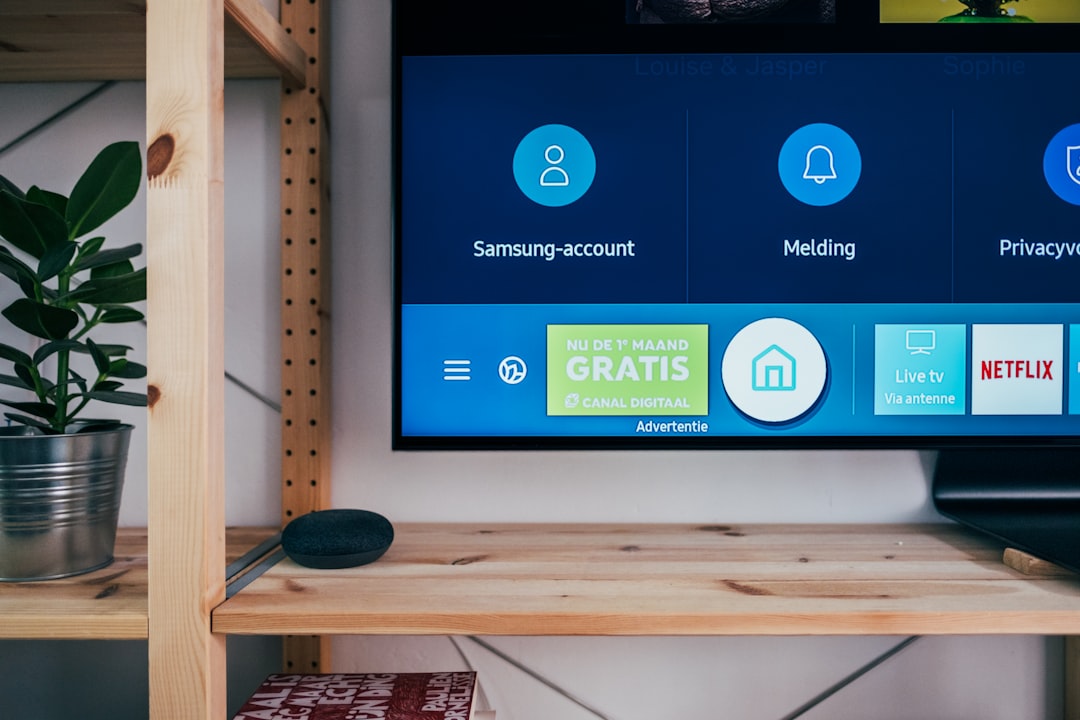
The rise of smart home devices has transformed the way we interact with our living spaces. As technology continues to advance, consumers are increasingly looking for ways to enhance their homes with gadgets that offer convenience, security, and energy efficiency. According to recent market research, the global smart home market is projected to reach $174 billion by 2025, reflecting a compound annual growth rate of 25.3%. This article will explore the various categories of smart home devices available today, their benefits, and how they can improve your lifestyle.
One of the most significant advancements in smart home technology is the development of smart security systems. These systems provide homeowners with real-time monitoring and alerts, allowing them to keep an eye on their property from anywhere in the world. Features such as motion detection, video surveillance, and remote access have made these systems increasingly popular, with a reported 30% increase in sales over the last two years. Key Insight: As security concerns rise, consumers are willing to invest more in technology that offers peace of mind.
Smart security systems often integrate with other smart devices, creating a comprehensive home security network. For instance, smart doorbells equipped with cameras allow homeowners to see who is at their door without having to open it. Additionally, many systems offer cloud storage for video footage, ensuring that important moments are captured and stored securely. This interconnectedness not only enhances security but also adds convenience to daily routines.
Smart lighting solutions have gained traction as a way to enhance both the ambiance and energy efficiency of a home. These systems allow users to control their lights remotely, set schedules, and even adjust brightness and color through voice commands or smartphone apps. Recent statistics indicate that smart lighting sales have surged by 40% in the past year alone, as more consumers recognize the benefits of energy savings and customization.
Moreover, smart lighting can contribute to home security by simulating occupancy when homeowners are away. By programming lights to turn on and off at specific times, potential intruders may be deterred from targeting the property. This dual functionality of enhancing aesthetics while providing security makes smart lighting an attractive option for many homeowners.
Smart thermostats represent another essential category of smart home devices that can significantly impact energy consumption. These devices learn user preferences over time and adjust heating and cooling schedules accordingly, leading to substantial energy savings. According to the U.S. Department of Energy, homeowners can save an average of 10-12% on heating and cooling costs by using a smart thermostat. This statistic highlights the financial benefits of investing in such technology.
Additionally, smart thermostats can be controlled remotely, allowing users to adjust their home’s temperature from anywhere. This feature is particularly useful for those who want to ensure their home is comfortable upon arrival or for those who travel frequently. The integration of smart thermostats with other smart home systems further enhances their functionality, creating a seamless user experience.
The advent of smart appliances has revolutionized the kitchen and laundry room, making everyday tasks more efficient. From refrigerators that can track inventory to washing machines that can be controlled via smartphone, these devices are designed to simplify life. Recent data shows that the market for smart appliances is expected to grow by 20% annually, driven by consumer demand for convenience and innovation.
Smart appliances not only save time but also promote energy efficiency. For example, smart ovens can be programmed to preheat remotely, while smart dishwashers can optimize water usage based on load size. As consumers become more environmentally conscious, the appeal of energy-efficient smart appliances continues to rise, making them a staple in modern homes.
The integration of smart home devices into everyday life is no longer a futuristic concept; it is a reality that is reshaping how we live. With advancements in technology, the options available to consumers are vast and varied, catering to different needs and preferences. As the smart home market continues to expand, it is essential for consumers to stay informed about the latest trends and innovations to make the most of their investments.
In conclusion, whether it’s enhancing security, improving energy efficiency, or simplifying daily tasks, smart home devices offer numerous benefits that can significantly improve quality of life. As we move forward, embracing these technologies will not only lead to smarter homes but also a more connected and efficient lifestyle.